
Since 1951
Seventy years of British blueberries
It started with a free packet of plants, an advert in a farming magazine, and a patch of acid sand that would grow almost nothing else.
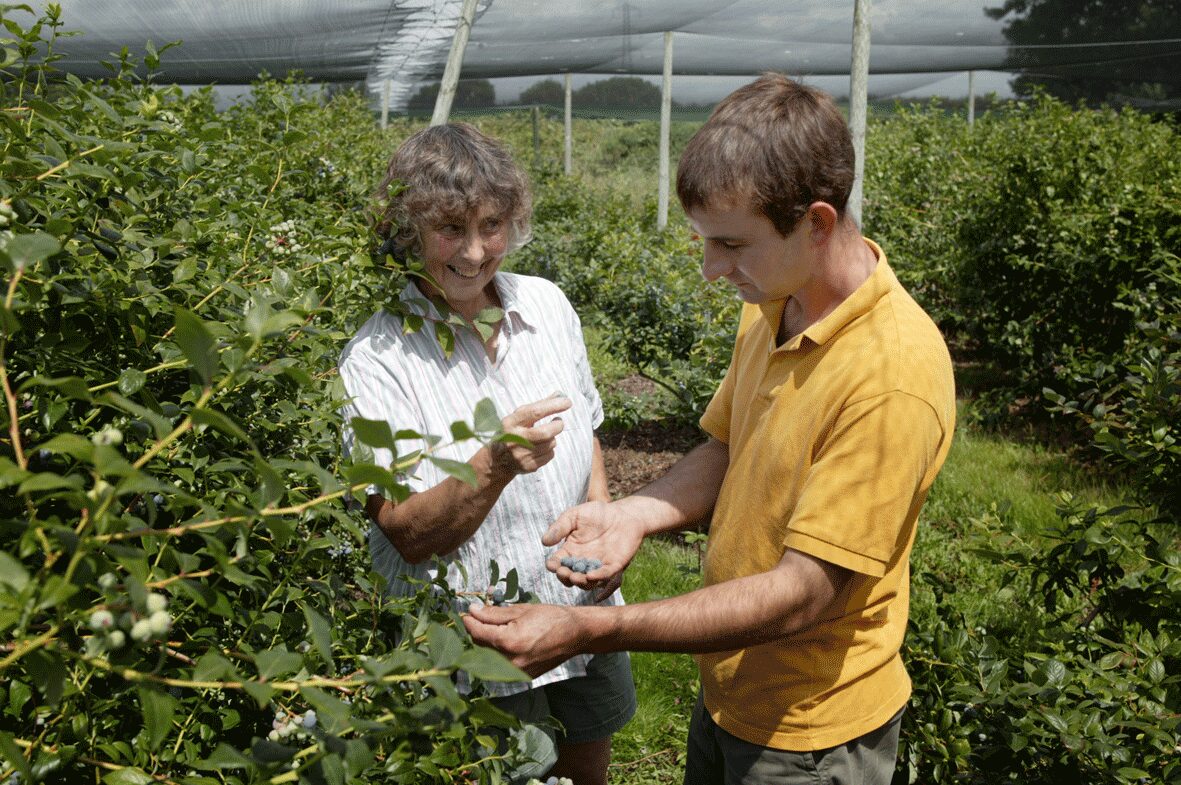
The Trehane family introduced the cultivated blueberry to the United Kingdom. For more than forty years we were the only commercial growers in the country, and we are still here — smaller, organic, and stubbornly hand-picked.
-
1951
Britain’s first blueberries
David Trehane answered an advert in The Farmers Chronicle offering free blueberry plants to anyone in the UK — all he had to pay was the carriage. The plants arrived and were put in near his thatched cottage on the edge of Bournemouth.
They thrived in the acidic, sandy soil. By 1957 David’s daughter Jennifer had come home to help establish the first commercial blueberry field in the UK: a thousand bushes, shipped over from a nursery in New Jersey.
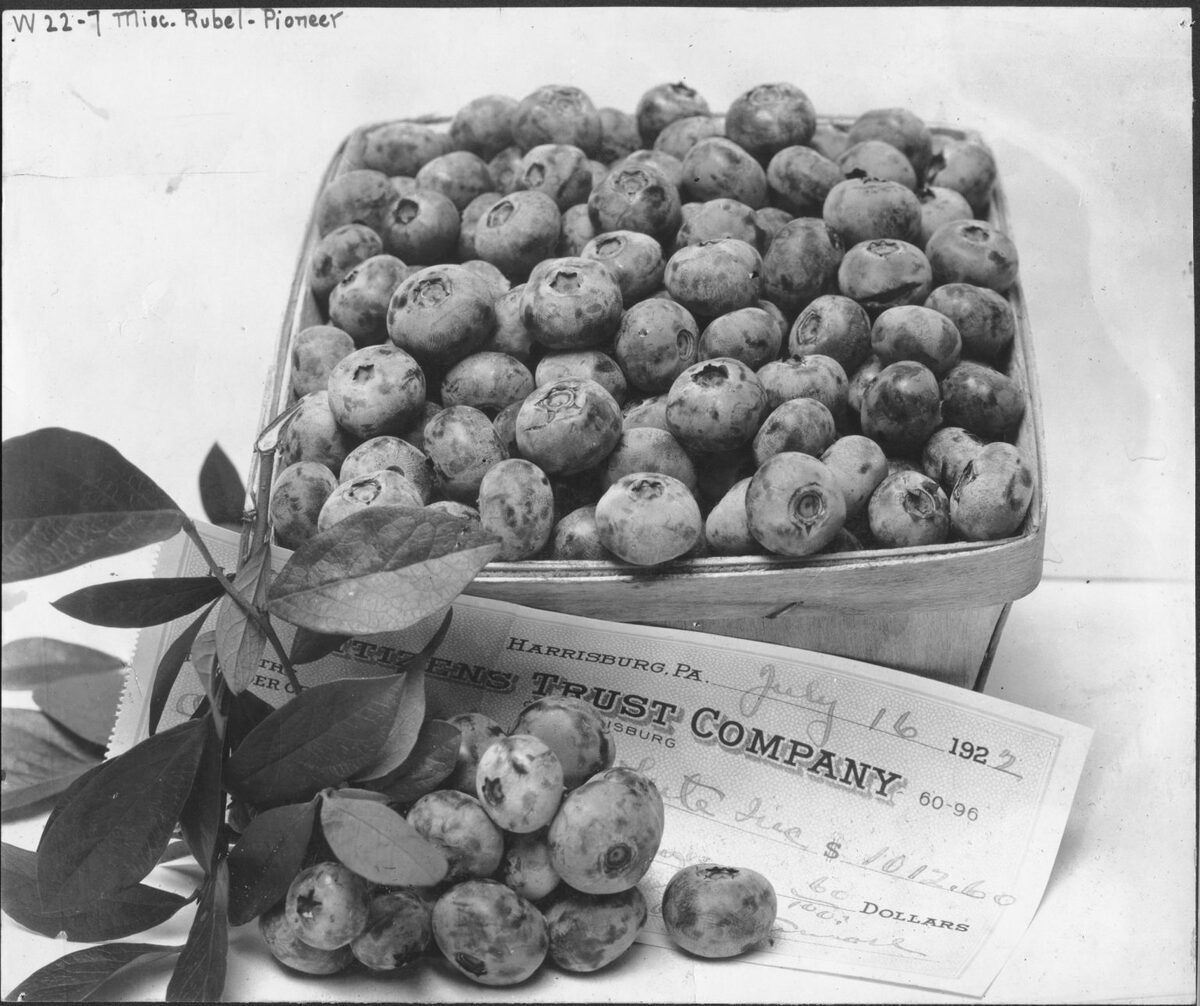
Highbush blueberries, 1922 — the American stock the first Dorset plants came from. -
1950s–60s
Building a market from nothing
Nobody in Britain knew what a blueberry was. Fruit and vegetable wholesalers in London began offering the crop to customers like The Ritz and Harrods, and trays went up from the farm with a stack of recipe booklets to teach people what to do with them.
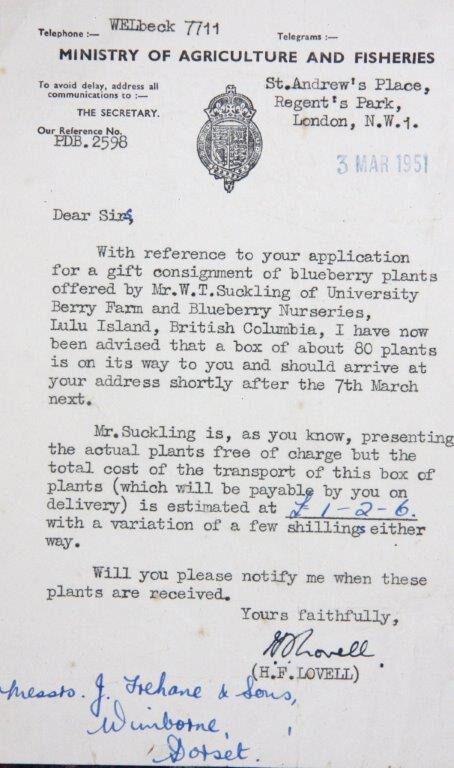
Ministry of Agriculture correspondence. 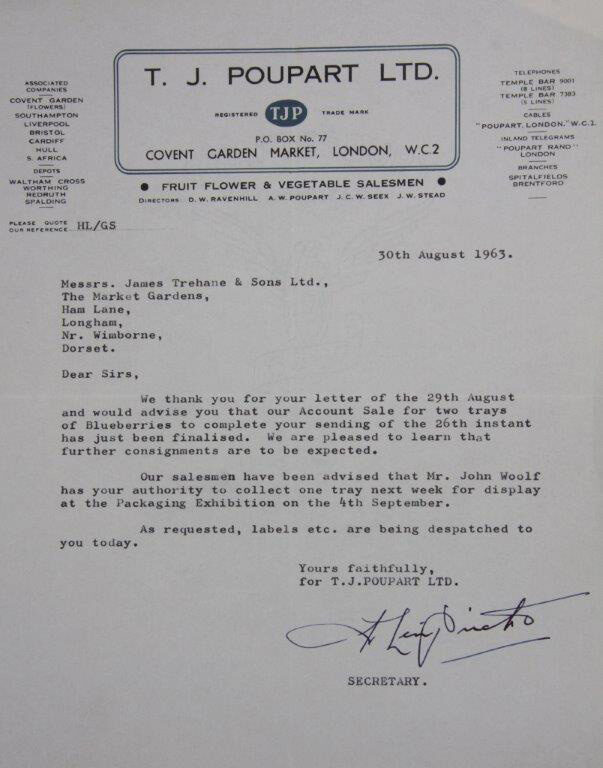
An early order from T J Poupart of Covent Garden. -
1980s–90s
Supplying the whole country
Jennifer left to marry and raise a family, David senior retired to Cornwall, and his son Jeremy Trehane took over and expanded the farm to eight and a half acres. J Sainsbury became the first supermarket customer, and Marks and Spencer began offering our blueberries in the late 1980s — with the Trehane family supplying 100% of its national requirement through the summer.
Then in the mid-1990s, research by Dr James Joseph at Tufts University in Massachusetts suggested antioxidants had a beneficial effect on ageing and cognitive ability, and blueberries turned out to be full of them. Demand grew by as much as 150% a year. Blueberries are now the second most popular soft fruit in Britain, behind the mighty English strawberry.
-
1994
The Dorset Blueberry Company is formed
Jennifer Trehane returned to Dorset and, with her son David Trehane junior, took over five of the family’s eight and a half acres with the intention of doubling the area grown.
We picked out a ten-acre field to fill, using the varieties Duke, Bluecrop, Brigitta and Elliot to spread the harvest across the season and keep the quality up. Five acres went in during 2000 and the rest followed over the years after.
-
2003
Converting to organic
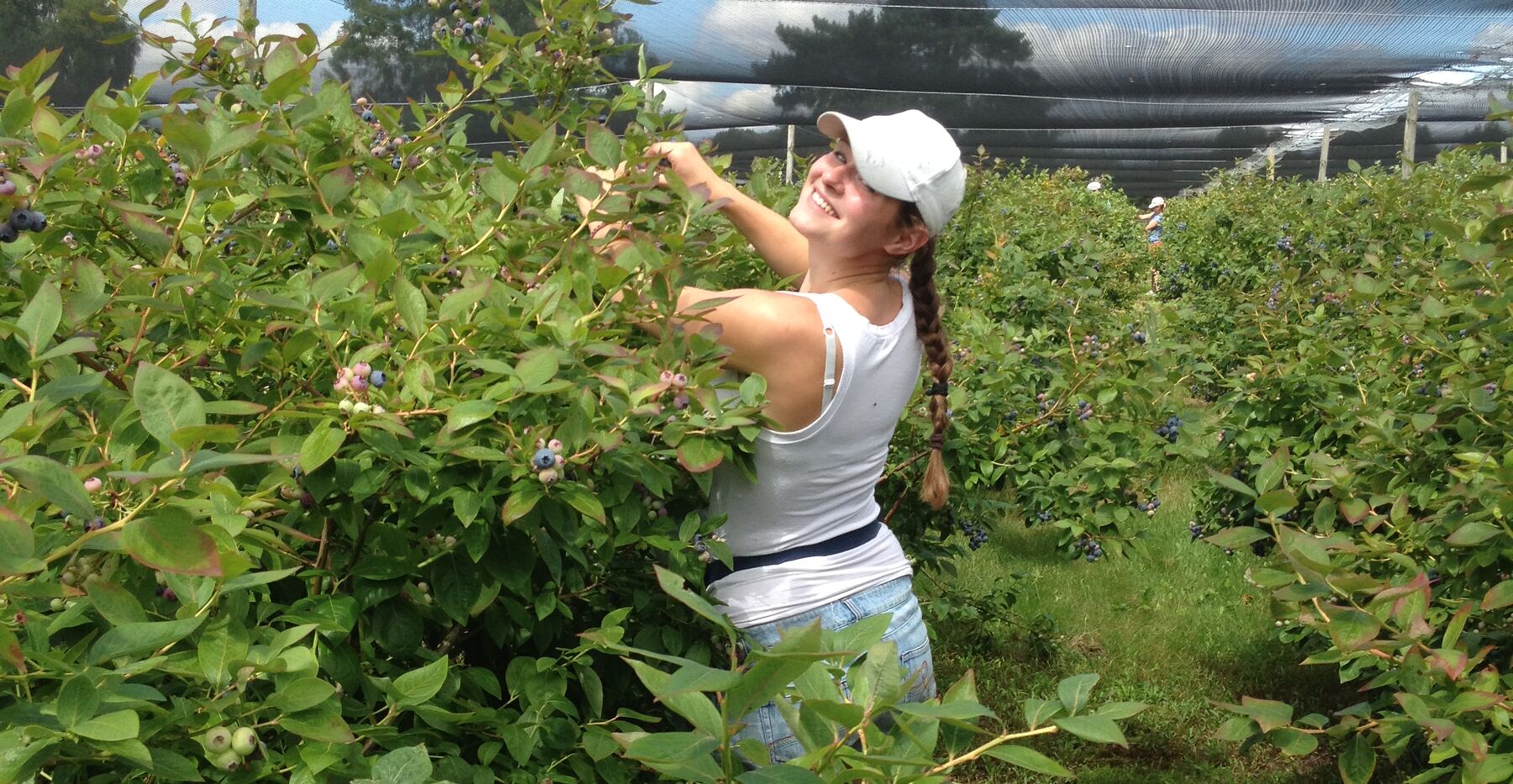
We converted to organic production in 2003 and have been registered with the Soil Association ever since — more than twenty years of annual inspection, no synthetic pesticides, no herbicides, no synthetic fertilisers.
-
2015
Josh and Dan take on the pick-your-own
Brothers Josh and Dan Benson took over the remainder of the family’s original fields from Jeremy Trehane and turned the blueberry PYO into a thriving public-facing business, adding fresh flowers and a café under their brand, Brothers Farm.
We are delighted to have them as neighbours, and to push organic blueberries forward together.
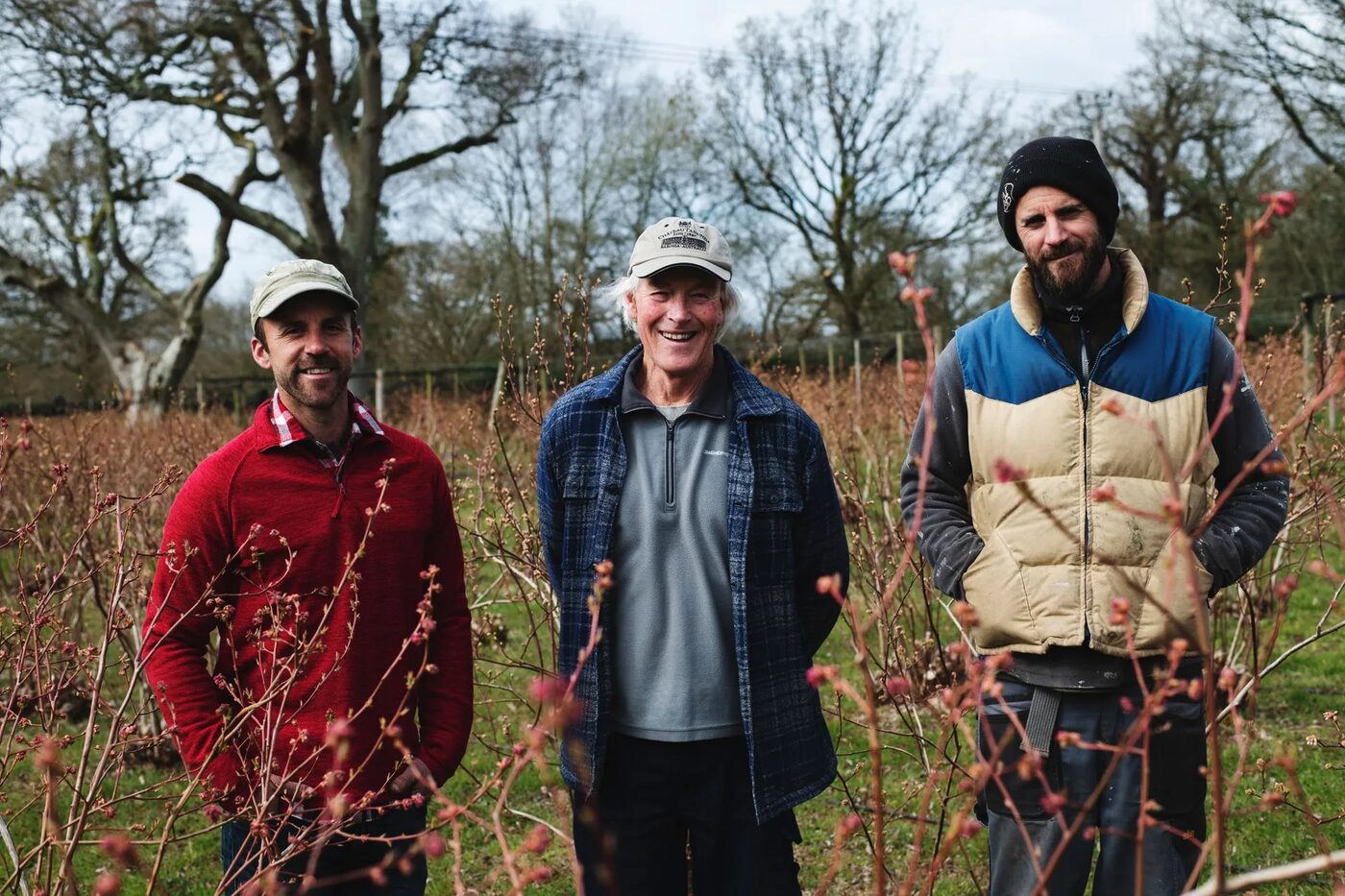
Josh and Dan Benson with Jeremy Trehane. -
Today
Ten acres, three customers, one family
Everything we grow goes to Riverford Organic Farmers, Abel & Cole and Lush. We are not in the supermarkets and we do not sell direct to the public. What we do instead is grow a smaller amount of fruit properly, and pick all of it by hand.
From our family to yours
Passion, dedication and sustainable farming
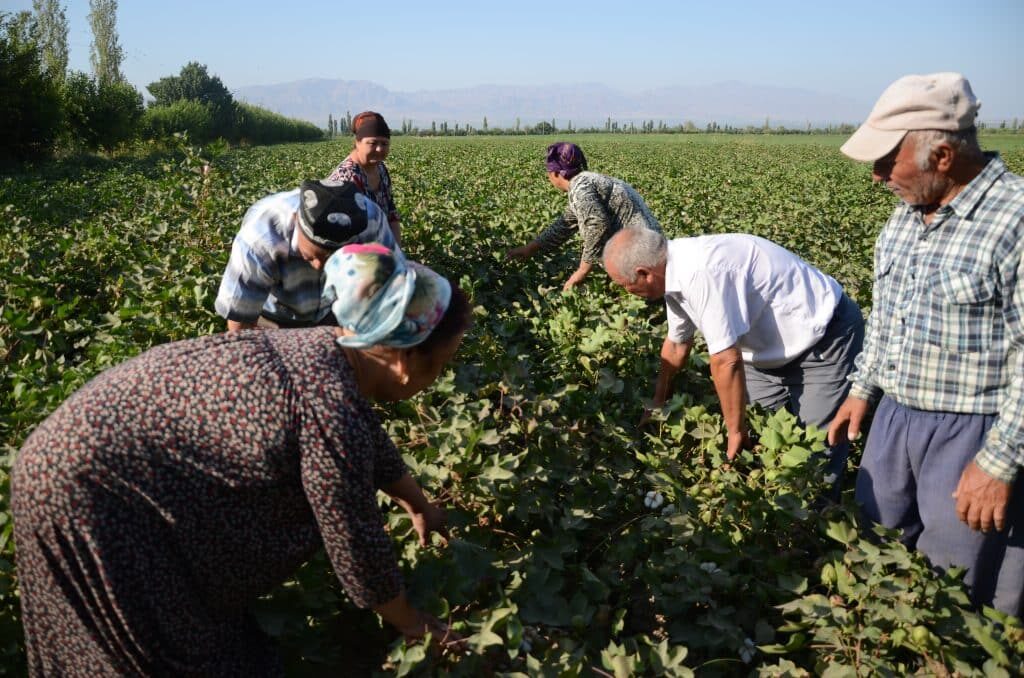
We employ techniques that promote soil health, conserve water and encourage biodiversity. Each blueberry is hand-picked at the peak of ripeness, so only the best of the crop makes it to the table.
It is a slower way to farm and a smaller one. It is also the reason the fruit tastes the way it does.